Good aircraft parts traceability software answers two questions. Where did this part come from, and what happened to it here? AirOne keeps both answers on the serial number. The record opens at receiving and gains every inspection and task. It ends at the release certificate. So the history travels with the part instead of sitting in a folder.
What aircraft parts traceability software has to hold
EASA 145.A.55(a)(1) requires an organization to record the details of the maintenance work it carries out. As a minimum, it retains proof that it met every requirement for the certificate of release to service (CRS). For the FAA, 14 CFR 145.219(a) requires records in English that demonstrate compliance with part 43.
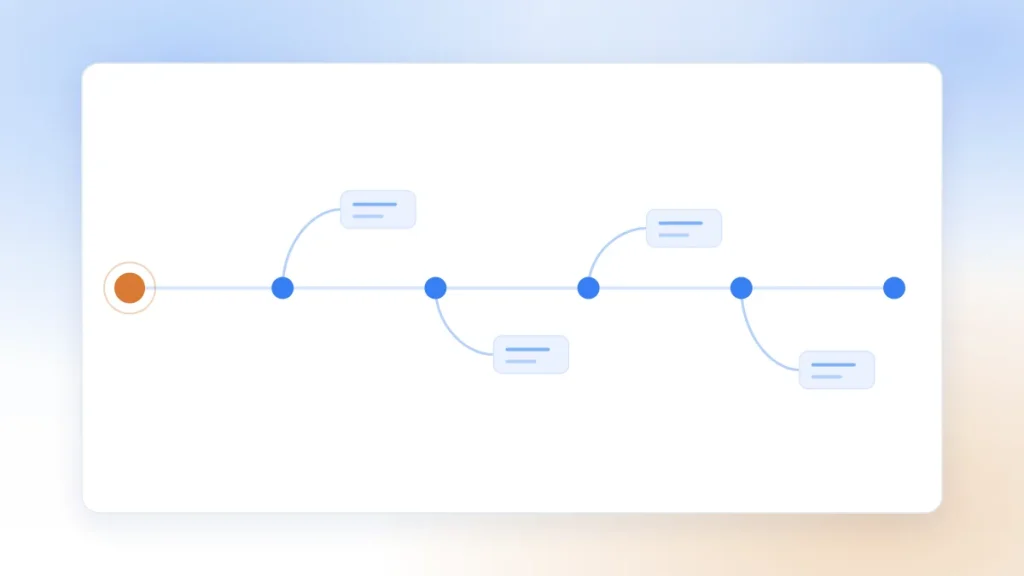
Both describe one record per job that a stranger can read years later. AirOne holds it on the serial number, from the incoming certificate to the release. So an auditor reads one screen, not a job folder and a certificate binder.
Serial number tracking starts at receiving
Most traceability gaps open at receiving, not during the overhaul. EASA 145.A.42(a) requires an organization to classify every component it takes in. A component in satisfactory condition comes released on an EASA Form 1 or equivalent, marked under Part 21 Subpart Q. Point (c) then keeps unserviceable and unsalvageable components apart from serviceable stock.
On the FAA side, 14 CFR 145.211(a) requires a quality control system acceptable to the FAA. In practice, AirOne opens the serial record at receiving. Customer, part number, serial number and incoming certificate go on at once. Then the inspection findings join the same record, and the work order opens from them.
Aircraft parts traceability software and the build-up record
A wheel is a hub, a bearing set, tie bolts and a tire, each with its own paperwork. EASA 145.A.42(b)(ii) adds a check before any of them goes on. The item must be in satisfactory condition and meet point (a). The applicable maintenance data must also specify it. So that check needs each sub-part’s own paperwork, not only the assembly’s.
AirOne records the build-up as the engineer makes it. Each fitted item carries its part number, serial or batch and its certificate. So the shipped assembly lists exactly what went into it. Later, when a customer queries a bearing, the shop can say which wheel took it and when. This is the part of aircraft parts traceability software a job folder cannot copy.
An exportable audit trail nobody has to assemble
Every change on the record carries a name and a time. So the trail falls out of the work, not out of a writing session before the audit. It also exports, one serial at a time.
EASA 145.A.55(a)(3) keeps a copy of the detailed maintenance records for 3 years. The clock starts when the component received its CRS. 14 CFR 145.219(c) sets at least 2 years from the date the article was approved for return to service. Our post on Part 145 record-keeping for component shops compares the two.
Aircraft parts traceability software vs lot tracking and back-to-birth records
Lot tracking software follows a batch of consumables from receipt to the job that used it. In AirOne that lives in inventory, with the batch or lot on each receipt. Serial number tracking software is this page, one record per serial.
Back-to-birth records, or the “145 trace” a buyer asks for, are the harder case. The shop’s own record starts at receiving, and anything earlier is the paperwork that arrived with it. AirOne stores that paperwork against the serial, and the record shows where it starts. It cannot manufacture history it never received.
EASA 145.A.42(a)(iii) categorizes a component as unsalvageable once it reaches its mandatory life limitation. A non-repairable defect does the same. Point (c)(ii) then bars it from the component supply system. The exceptions are an extended life limitation or an approved repair solution. The blog’s parts traceability category covers the wider practice.
The records behind the aircraft parts traceability software
Each serial-numbered unit is its own record, with its cycles and its tyre-change count. Its history opens at an incoming record: client, aircraft, location, the date, the person who received it and the condition they classified it in. Their inspection notes sit on the same record. Then the work order opens from it, and a dispatch record closes it at the far end, naming who handed the component over and who signed for it.
In between, every batch a job consumes writes a traceability line: which batch, which quantity, which unit, which person. A line issued outside the standard flow is marked as a manual issue, and voiding one keeps the void with a name and a time instead of deleting the line. Underneath all of it, the activity log captures each change with its old value and its new one. So the trail is a by-product of the work rather than a task after it.
Aircraft parts traceability software from a working shop
AirOne MRO is developed inside a working EASA Part 145 wheel and brake shop. Chasing real serials through real overhauls built this model. See how the serial record feeds the release certificate.
Frequently asked questions
What does EASA 145.A.55 require an organization to record?
Point 145.A.55(a)(1) sits in Annex II to Regulation (EU) No 1321/2014. It requires the organization to record the details of the maintenance work it carries out. As a minimum, it retains proof that it met every requirement for the CRS, including any subcontractor’s release documents. Point (a)(3) then keeps a copy for 3 years from the date the component received its CRS.
How long must a repair station keep part records under 14 CFR 145.219?
Paragraph (c) sets the floor: at least 2 years from the date the article was approved for return to service. Paragraph (a) wants records that demonstrate compliance with part 43, in English and in a format acceptable to the FAA. Under paragraph (b), a copy of the maintenance release also goes to the owner or operator of the article.
Does aircraft parts traceability software give back-to-birth records?
Only for the part of the life it saw. A shop’s software opens the record at receiving and stores whatever documents arrived with it. It cannot rebuild earlier history. It can keep every later event on one serial, with an exportable trail.
What has to happen before a component goes on under EASA 145.A.42?
Point 145.A.42(a) classifies it first. A component in satisfactory condition comes released on an EASA Form 1 or equivalent and marked under Part 21 Subpart Q. Under point (b), the item goes on only when it is in satisfactory condition, meets point (a), and the applicable maintenance data specifies it. Then point (c) keeps unserviceable and unsalvageable components apart from serviceable ones.
Founding Shops
The first ten Founding Shops get their first six months free.
In exchange for honest feedback: what your shop actually needs, and what we got wrong.